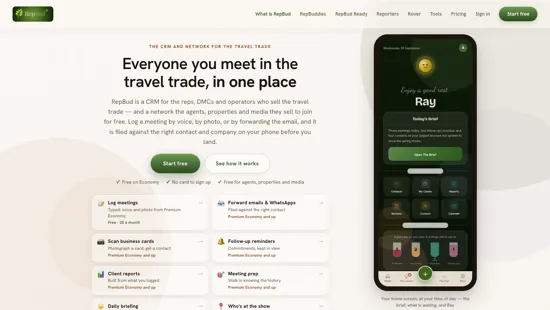
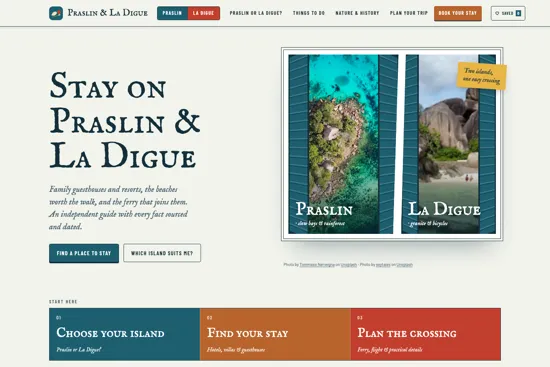
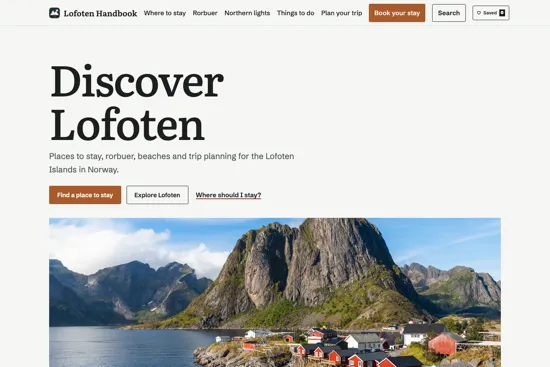
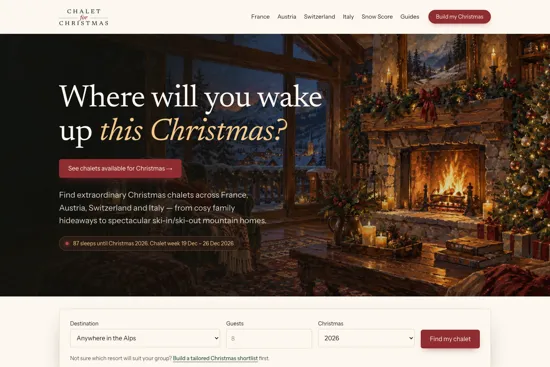
A safari lodge usually needs two pieces of software online: a booking engine, which lets guests check availability and book direct at your public rates, and an agent portal, a login-protected trade area where operators and agents find your net rates, contracts, fact sheets and availability. Your website is where the two meet: the booking engine sits behind your room and tent pages, and the portal sits behind an agent login on the same site. Many lodges sell most of their bed nights through the trade, so the portal deserves as much thought as the booking button.
Two different jobs
A booking engine and an agent portal are often discussed as one thing. They serve different people.
The booking engine is for the guest
- Availability and price. The guest picks dates, sees which rooms or tents are free and what they cost at your public, or rack, rate.
- Payment and confirmation. It takes a deposit or the balance and sends the confirmation.
- Your reservations. The booking lands in your reservation system, usually through a channel manager that keeps availability in step across the places you sell.
The agent portal is for the trade
- Behind a login. Agents and operators you have approved sign in. What is inside is not visible to the public.
- Net rates and contract terms. Rates by season and by partner, commission or discount, child and single policies, cancellation terms.
- Sales tools. Fact sheets, an image library, maps, sample itineraries and trade offers.
- Availability or allocation. Live availability where your systems allow it, or the rooms you hold for a partner and their release dates, with a way to request or hold a booking.
For more on what belongs behind a login and what belongs on the public site, see trade portals.
Why the agent portal matters as much as direct booking
A safari is rarely a single-property trip. An operator or DMC puts together several lodges, transfers and flights, and an agent in the guest’s home market sells the result. Each of them needs your rates, your rules and your availability before they can include you. If they have to email for a rate sheet, a lodge that makes it easier is one click away.
A direct booking is welcome, but a lodge that undercuts its own partners online puts at risk the business those partners bring. The usual answer is to keep a direct path for guests who find you themselves, at your public rate, and make the trade path quick and private.
Net rates, rack rates and rate loading
- Rack rate. The public rate a guest sees on your website and in your booking engine.
- Net rate. What an operator or agent pays you, after their commission or discount. Confidential to each partner, so it belongs behind the login.
- Contracted rates. Operators build itineraries and brochures a long way ahead, so lodges usually release the next year’s rates early and agree them per partner.
- Rate loading. Someone enters seasons, rates, supplements and fees into your reservation system. Where the systems connect, the booking engine reads the public rates and the portal shows each partner its own net rates, so rates are loaded once and shown in the right place.
- Where systems do not connect. A portal can still carry each season’s rate sheets as downloads per partner tier. It is less live, but it ends the emailing.
Show the extras where the price is shown: park and conservancy fees, single supplements, child policies and what is included, so neither a guest nor an agent is surprised at the quote.
How each one connects to your website
Which booking engine and channel manager you use is your choice. You hold the contract with that supplier and the guest data it keeps, and the website should work with it rather than replace it.
- Linked or embedded booking. The simplest route: each room and tent page has a button that opens your booking engine with that unit selected, or an embedded widget on the page.
- Deeper integration. Availability or prices shown on your own pages, read from your systems. This needs your supplier to offer an interface for it, and it is a bigger piece of work.
- Several camps. A lodge group can offer one search across its camps or a booking button per camp, depending on what its booking engine supports. Check that each camp keeps its own rooms, rates and policies.
- The agent portal. On your own domain, behind a login, with agents registered and approved by you. It can link to your booking engine, show availability where your systems allow it, or take booking requests that reach your reservations team.
What to ask a supplier
- Who owns the guest and booking data, and can you export it if you leave?
- Does it hold net and rack rates separately, and different net rates for different partners?
- Can it manage allocations and release dates for operators?
- How does availability reach your website: a link, an embedded widget or an interface your developer can use?
- Does it handle several camps under one account, each with its own rates and policies?
- How does the booking screen perform on a phone over a weak connection?
- Which currencies and payment methods does it take, and what does it cost per month or per booking?
- Where is support based, and is it there during your working hours?
Where Charnette Labs fits
We build the website and app, and we work with the booking engine and channel manager you choose. We do not sell or recommend a particular one.
- The standard build. One website and one app, for iOS and Android, with no build fee. Room and tent pages lead guests to your existing booking engine or to an enquiry that lands in your inbox. Hosting & Care is £99 + VAT a month, billed annually, or R1,995 a month for South African businesses. See pricing.
- An agent portal or a booking-engine integration. These are scoped builds, quoted separately at £75 an hour + VAT where applicable (R1,500 an hour for South African businesses), and agreed with you before the work starts.
How we approach a lodge site is on our safari lodge page and in the safari lodge website checklist. If you would like a portal or integration scoped, tell us how you sell.
Common questions
What is an agent portal for a safari lodge?
An agent portal is a login-protected area of a safari lodge's website where approved operators and agents find what they need to sell the lodge: net rates and contract terms, rate sheets by season, fact sheets, an image library, availability or allocation, and a way to request or hold a booking. It is not visible to the public.
What software does a safari lodge need?
Most safari lodges use a reservation system to hold bookings, a booking engine so guests can book direct on the website, and often a channel manager that keeps availability in step across the places the lodge sells. Lodges that sell through the trade also benefit from an agent portal for net rates and sales tools. The website ties these together.
What does a booking engine do for a safari lodge?
A booking engine lets a guest choose dates, see which rooms or tents are available at the public rate, pay a deposit or the balance and receive a confirmation. The booking lands in the lodge's reservation system. On the website, each room and tent page links to it or embeds it.
Can safari lodge booking software handle net pricing?
Some systems hold net and rack rates side by side, with different net rates for different partners, and some do not. Ask your supplier whether it separates net from rack rates, whether it manages allocations and release dates, and whether it can show each partner its own rates behind a login.
What should a booking widget for a multi-property safari lodge do?
For a lodge group, check that the widget can search across camps or book each camp separately, that each camp keeps its own rooms, rates and policies, and that it works on a phone over a weak connection. Which booking engine to use is the lodge's choice; the website should work with it.
Does Charnette Labs build agent portals and booking engine integrations?
Yes, as scoped builds quoted separately at £75 an hour + VAT where applicable, or R1,500 an hour for South African businesses, agreed before the work starts. The standard build of one website and one app has no build fee, with Hosting & Care at £99 + VAT a month, billed annually, or R1,995 a month for South African businesses.