Trade portal development for the travel industry.
A trade portal is the login-protected area where your contracted partners self-serve — net rates, sample itineraries, image libraries and booking tools. We build them for tour operators, DMCs and representation companies, and explain what a trade portal is and is not.
The agent portal: the part of the site only the trade sees.
Most serious tourism businesses reach a point where some of what they offer is not for the public: confidential net rates, contracted allotments, downloadable assets, sample itineraries, booking and enquiry tools for partners. That belongs behind a login, in a trade portal — and getting the line right between public and private is most of the job.
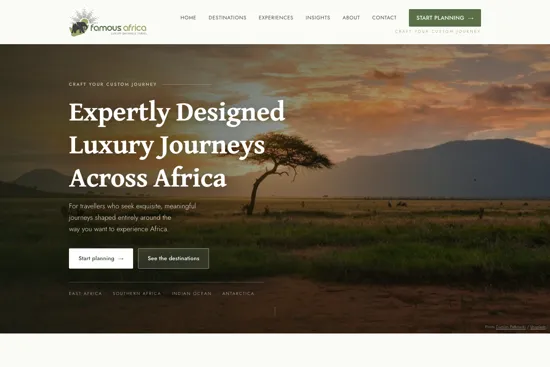
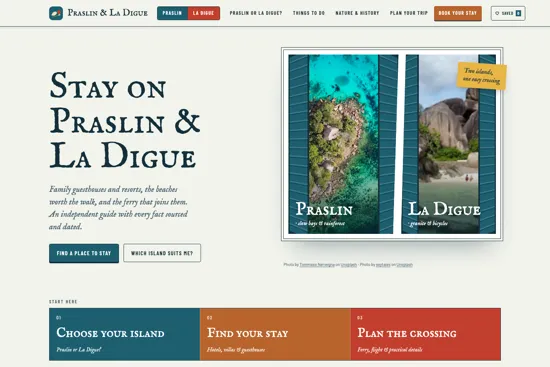
We build that line the way the trade expects it: a public site that establishes credibility and wins the enquiry, and a portal that makes an existing partner's life easy. Because our founder has been the partner logging in, we know what makes a portal used rather than ignored.
Portals for the businesses that sell through partners.
DMCs & inbound operators
Where operators and agents pull net rates, contracted itineraries and release-back deadlines — the confidential layer a DMC cannot show publicly.
Tour operators
Agent-facing portals for training resources, tailored-trip requests, booking tools and the assets agents need to sell your trips.
Representation companies
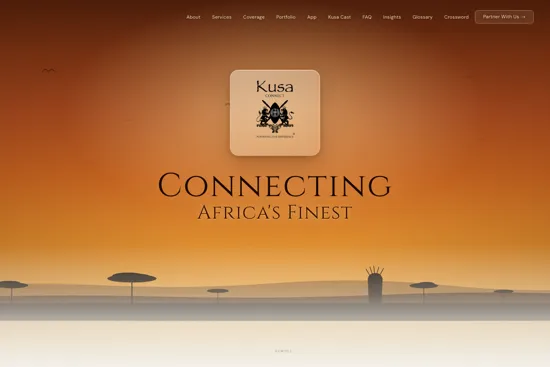
Portals where the brands you represent and the agents you serve reach fact sheets, rates and the right contact — the way we build for our own Kusa Connect.
You almost certainly need both — and they do different jobs.
A common mistake is to hide the whole business behind a login, or to dump confidential rates onto a public page. Neither works. A researching tour operator needs to see that you are a real, credible, professional business before they will ever ask for a login — so the public site has to do its job first. Then, once they are a contracted partner, the portal is where the practical, confidential material lives.
We build both as one coherent system: shared design, shared infrastructure, a clean boundary between what the world sees and what only verified partners see. If you already have a public site you are happy with, we can add the portal to it. Either way, we start by mapping exactly what belongs on each side of the login. For a short primer before we talk, read what a trade portal is and is not.
Common questions
What is trade portal software for tour operators?
It is the login-protected area a tour operator gives its contracted agents and partners, so they can self-serve instead of emailing. Net rates behind the login, sample itineraries, image libraries, booking terms, downloadable kits — the things a reservations team otherwise sends by hand, twenty times a week. Charnette Labs builds these bespoke rather than reselling a platform, so the rates, the tiers and the permissions match how the operator actually contracts, and the operator owns the code.
Who builds a trade portal for tourism?
Charnette Labs builds trade portals for tourism businesses — tour operators, DMCs and representation companies. A trade portal is the login-protected area where contracted partners self-serve net rates, sample itineraries, image libraries and booking tools. Charnette's founder spent nearly two decades in the travel trade, so it builds portals around how the trade actually uses them.
What is a trade portal?
A trade portal is a secure, login-protected area of a tourism company's website or app where verified trade partners access what the public should not see — net rates, contracted allotments, release-back deadlines, sample itineraries, image and document libraries, and booking or enquiry tools. The public site wins the enquiry; the trade portal serves the partners who already work with you.
What goes in a trade portal versus the public website?
The public website carries capability, destinations, credibility and the team — everything that wins a new trade enquiry. The trade portal, behind a login, carries the confidential and the practical: net rates, allotments, downloadable assets, contracted itineraries and booking tools. As a rule of thumb, hide the rates, not the company.
Can you add a trade portal to our existing website?
Often, yes. Charnette can add a login-protected trade portal to an existing site, or build the public site and portal together as one project so they share design and infrastructure. We scope the integration with your existing platform at a discovery conversation. See charnette.io/insights/trade-portal-explained for a short primer.
A trade portal your partners will actually use.
Tell us what belongs behind the login. We will build the portal — and the public site that earns the login in the first place.
Start the conversation →Prefer email? hello@charnette.io