A safari lodge website answers to two audiences at once — the trade that sells you and the guest who dreams of you — and it has to work on a phone, often on a weak signal. Having sold African safari to the international travel trade for the better part of two decades, the lodges that win are the ones that respect all three of those facts. Here is the checklist.
Who it is really for
A lodge is usually sold by an operator or agent and confirmed by the guest. The site therefore does two jobs: it gives the trade what they need to sell you with confidence, and it gives the guest the emotional pull to say yes. The mistake is building for one and forgetting the other.
The checklist
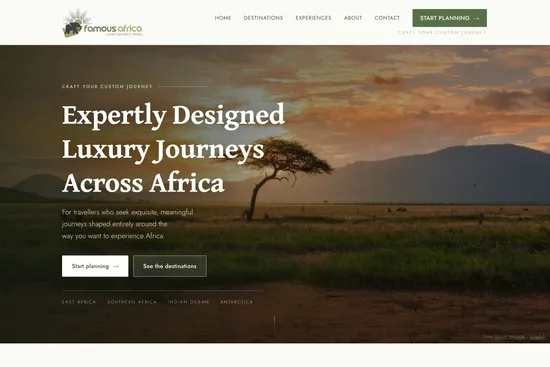
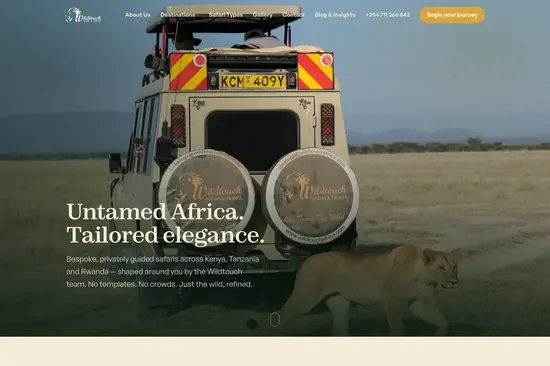
- Evocative, but fast. Golden-hour photography and a sense of place sell safari — but heavy galleries that crawl on mobile undo the spell. Compress properly; lead with story, not a slideshow.
- Mobile-first and low-bandwidth-friendly. Guests browse on phones and agents open you in the field. The site has to be quick on a weak signal, not just on office fibre.
- Trade-ready. Rate sheets, fact sheets, an image library and a clear contact for operators and agents. If a product manager cannot quickly find what they need to build your lodge into an itinerary, a better-organised property wins the bed nights.
- Real seasonality and logistics. When to go, the wildlife rhythm, how guests actually get there. This is the practical detail the trade relies on and consumers trust.
- A direct path that respects the trade. An enquiry or direct-booking route is fine — but build it so it supports your trade partners rather than undercutting the people selling you.
- Conservation and credibility. Community and conservation work, accreditations, the people on the ground. Specifics build trust; adjectives do not.
What lodges get wrong
- Image-heavy pages that punish mobile, exactly where most of the audience is.
- Hiding the trade resources, so agents have to email for a fact sheet that should be a click away.
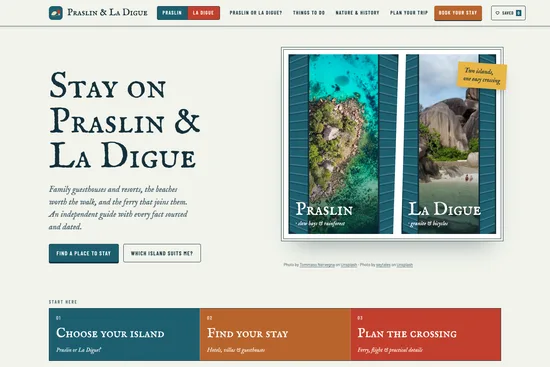
- Generic "luxury" copy that could describe any property. Safari sells on specifics — the camp, the conservancy, the season, the guiding.
- No sense of place. Beautiful, but interchangeable, is forgettable.
The throughline
Move the heart, serve the trade, and load fast on a phone. A safari lodge or camp site that does those three things earns its keep with both the operators who fill it and the guests who fall for it. If you would like it built by people who have actually sold safari to the trade, tell us about the property. (And if you are weighing the budget, here is what a lodge site costs.)
Common questions
What does a safari lodge website need?
A safari lodge website serves both the travel trade and the guest, so it needs: evocative but fast, well-compressed photography that loads on mobile; a mobile-first, low-bandwidth-friendly build for browsing in the field; trade-ready resources (rate sheets, fact sheets, image library, a clear contact for operators and agents); real seasonality and logistics; a direct enquiry or booking path that supports rather than undercuts the trade; and genuine conservation and credibility detail. Move the heart, serve the trade, and load fast on a phone.
Should a safari lodge website have direct booking?
It can — an enquiry or direct-booking route is useful — but it should be built to support your trade partners, not undercut the operators and agents who sell you. Many lodges sell primarily through the trade, so the priority is making it easy for agents to build you into an itinerary, with a direct path as a complement rather than a replacement.
How do you design a safari lodge website for low bandwidth?
Compress imagery properly (modern formats, sensible sizes), lead with story rather than heavy galleries, keep the build lightweight and fast, and test on a real phone on a weak signal rather than office fibre. Guests browse on mobile and agents open you in the field, so a site that is quick on a poor connection wins over a beautiful one that crawls.
How should a safari lodge website serve the travel trade?
Make the resources an agent needs one click away: rate sheets, fact sheets, an image library and a clear contact for operators and agents. Include real seasonality, wildlife rhythm and logistics so the trade can sell you with confidence. If a product manager has to email for a basic fact sheet, a better-organised property usually wins the bed nights.