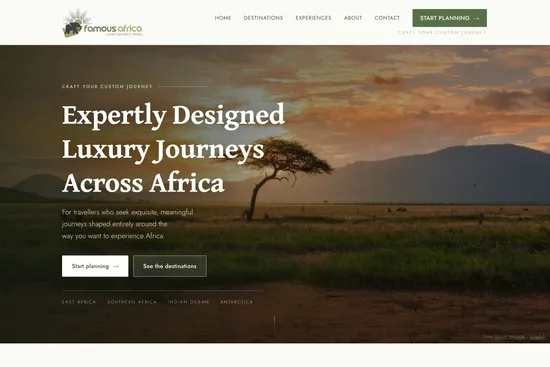
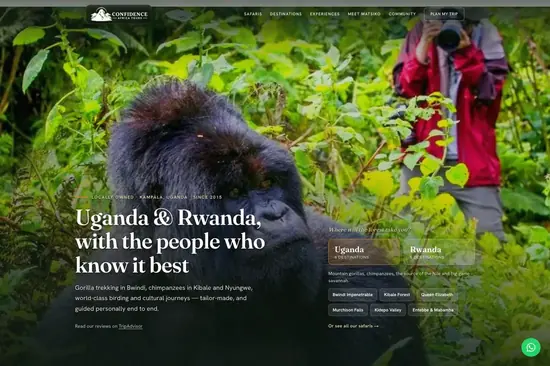
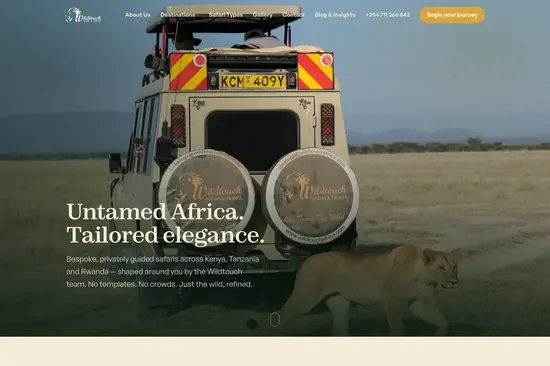
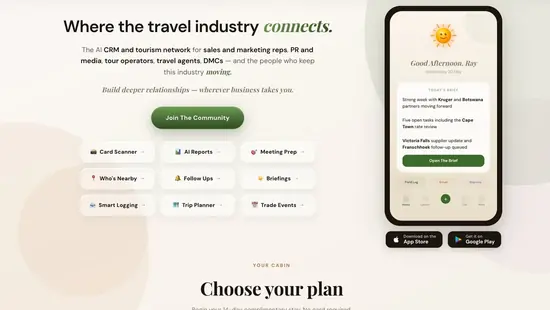
A travel agency website has a different job from a tour operator's or a DMC's. An agency curates and books on the client's behalf rather than selling its own product, so the site's real work is trust and conversion: reassuring a traveller that you will look after their trip and their money, showing why your expertise is worth using, and making it easy to start a conversation. Get those three things right and the rest is detail.
What a travel agency site is really for
People do not choose an agency for a catalogue — they can find inventory anywhere. They choose an agency for judgement, protection and someone who will pick up the phone when a flight is cancelled. The website's job is to make that value obvious before the first enquiry, and to remove every reason to hesitate.
What it needs
- Clear positioning. What you specialise in and who you are for. A specialist agency that says so converts better than a generalist that books "anywhere". Your edge should be the first thing a visitor understands.
- Visible protection and credentials. ATOL, ABTA, financial protection, real reviews and the actual people behind the agency. This is the reassurance a traveller most wants before parting with money.
- An easy enquiry path. Agencies sell through conversation, so the site's main job is to start one — a clear, low-friction way to call, message or book a consultation, visible on every page.
- Evidence of expertise. Destination knowledge, sample itineraries, the kinds of trips you arrange. Content that shows you know your subject builds trust and helps you get found.
- Fast, mobile and findable. Most travellers research on a phone and start with a search. A quick, well-structured site brings them to you and keeps them there.
Independent, homeworker or agency group?
An independent agent or homeworker leans hardest on personal trust — the site is about you, your niche and your reachability. A multi-branch agency needs clearer navigation across destinations and services, and often a way to route enquiries to the right specialist. The principles are the same; the structure scales with the business.
What agencies get wrong
- Generic "we book holidays" copy that gives a traveller no reason to choose you over anyone else.
- Hiding the protection and credentials that do the most to win a nervous booker.
- No clear next step, so an interested visitor reads, nods, and leaves without enquiring.
- No specialism on show, when a focused niche is an agency's strongest asset.
How to think about it
Lead with what makes you the right agency, make the protection unmissable, and turn every page toward a conversation. If you would like a travel agency website built by people who understand how the trade actually sells, tell us about your agency — and for budgeting, here is what drives the cost.
Common questions
What does a travel agency website need?
A travel agency website needs clear positioning (what you specialise in and who you are for), visible protection and credentials (ATOL, ABTA, financial protection, real reviews and the people behind the agency), an easy enquiry path on every page, evidence of expertise such as destination knowledge and sample itineraries, and a fast, mobile, search-findable build. Its real job is trust and conversion, because an agency sells judgement and reassurance rather than its own product.
Do travel agents need a website if they sell in person?
Yes. Even agents who sell mostly by phone or in person are researched online first — travellers check who you are, your specialism, your reviews and your financial protection before they make contact. The website builds the trust that earns the call, and gives an easy way to start the conversation.
Should a travel agency website have online booking?
Often not. Most agencies sell through conversation and tailored advice rather than self-service booking, so the priority is a clear, low-friction enquiry path — call, message or book a consultation — rather than a booking engine. Some high-volume or packaged models may benefit from online booking, but for most agencies the conversation is the conversion.
How does a travel agency website build trust?
By making protection and credentials unmissable (ATOL, ABTA, financial protection), showing real reviews and the actual people behind the agency, demonstrating genuine expertise through destination content and sample itineraries, and presenting a clear specialism rather than generic ‘we book holidays’ copy. Trust is what a traveller is really buying from an agency.