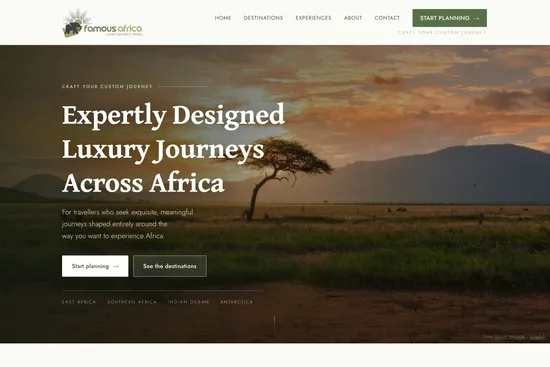
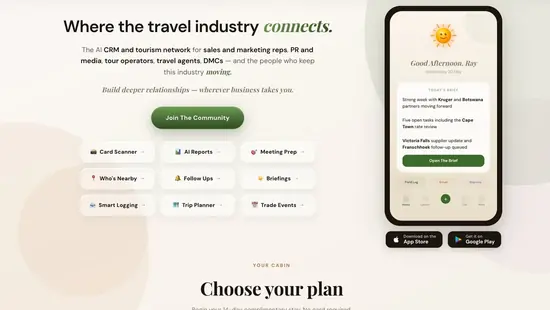
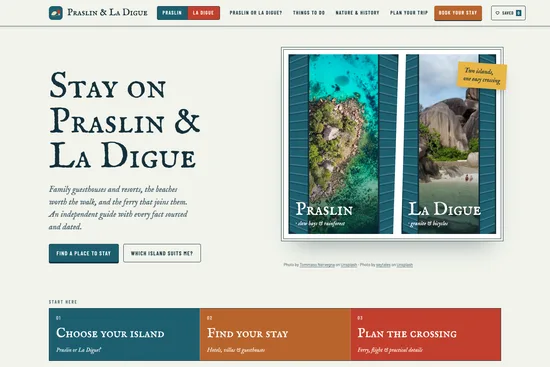
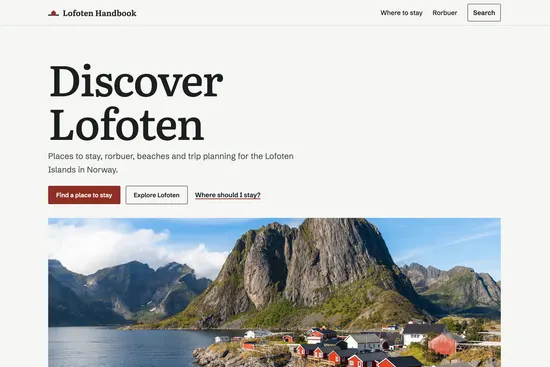
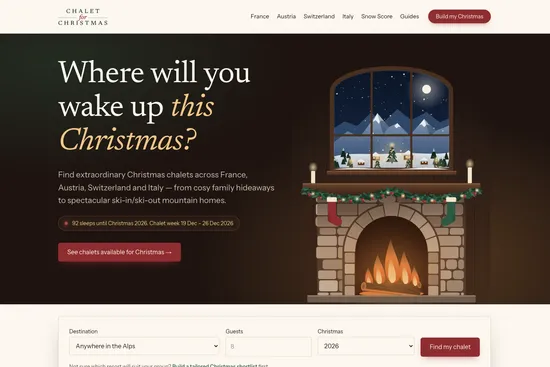
A tour operator website has two audiences pulling at it — the traveller who wants to be inspired, and the trade partner who needs to sell your product with confidence. Some operators serve one, some serve both. The first decision is not the design; it is being clear-eyed about which of those readers your business actually relies on, because that shapes everything else.
The two jobs
The consumer side is about inspiration and trust: beautiful itineraries, a sense of who you are, and an easy way to enquire or book. The trade side is about enablement: rates, availability, brochures and a clear contact, so an agent can build you into an itinerary without emailing for basics. A site can do both, but it should lead with the one that pays the bills.
What a tour operator site needs
- Itineraries presented clearly. Your product is the trip. Structured, scannable itineraries — with the practical detail, not just the romance — are the heart of the site.
- Visible credibility. Financial protection (ATOL, bonding), memberships, genuine reviews and the people behind the business. Specifics reassure where adjectives do not.
- An enquiry or booking path that matches how you sell. A bespoke operator needs a strong enquiry flow; a packaged operator may want online booking. Build the path you actually use, not the one a template assumes.
- Trade resources, if you sell through agents. A login area or partner section with rates, documents and contacts turns the trade from a chore into a channel. (More on this in our guide to trade portals.)
- Fast, mobile and findable. Travellers and agents both research on phones, and good search visibility brings them to you in the first place.
B2B, B2C or both?
If most of your business comes through agents and operators, build trade-first and keep the consumer pages as a credibility shop window. If you sell direct, lead with inspiration and conversion. If both, separate the journeys clearly — a consumer should never land in your trade rates, and an agent should never have to wade through holiday inspiration to find a tariff. Trying to serve both readers on identical pages usually serves neither.
What operators get wrong
- Burying the itineraries behind brand storytelling, so the product takes too many clicks to reach.
- One generic enquiry form for a business that actually sells in two or three different ways.
- Hiding financial protection, the single thing a nervous traveller most wants to see.
- No trade path at all, leaving agents to email for rates that should be a login away.
How to think about it
Decide who the site is for, lead with your product, make the credibility unmissable, and match the booking path to how you really sell. Get those right and the design takes care of itself. If you would like a tour operator website built by people who have sold trips to the trade, tell us how you sell — and for budgeting, here is what drives the cost.
Common questions
What does a tour operator website need?
A tour operator website needs clearly presented, scannable itineraries (the product), visible credibility (financial protection such as ATOL or bonding, memberships, reviews and the people behind the business), an enquiry or booking path matched to how you actually sell, trade resources if you sell through agents, and a fast, mobile, search-findable build. The first decision is which audience — traveller or trade — the business really relies on, because that shapes the rest.
Should a tour operator website have online booking?
It depends on how you sell. A bespoke operator usually needs a strong enquiry flow rather than instant booking, while a packaged operator may benefit from online booking. Build the path you actually use rather than the one a template assumes — and if you sell both direct and through the trade, keep the two journeys clearly separate.
Do tour operators need a trade or agent login area?
If you sell through travel agents and other operators, a login or partner area with current rates, documents and contacts turns the trade from a chore into a channel — agents can build you into an itinerary without emailing for basics. If you sell purely direct to consumers, you may not need one. This is the role a trade portal plays.
Is a tour operator website B2B or B2C?
It can be either or both. If most business comes through agents and operators, build trade-first and keep consumer pages as a credibility shop window. If you sell direct, lead with inspiration and conversion. If both, separate the journeys clearly so a consumer never lands in trade rates and an agent never has to wade through holiday inspiration to find a tariff.