Reaching travel agents in 2026 is less about volume and more about being where they already look, with something worth their time. Having sold to the trade for the better part of two decades, the pattern is consistent: agents reward suppliers who make their job easier and ignore the ones who add to the noise. Here is what gets through.
The real problem
A working agent's inbox is a battlefield. Every operator, DMC, hotel and rep company is emailing the same people, usually about themselves. Most of it is skimmed in the preview pane and archived. The instinct — send more, more often — makes it worse. Cutting through is not about shouting louder; it is about being the supplier whose message is actually useful when it arrives.
Where agents actually pay attention
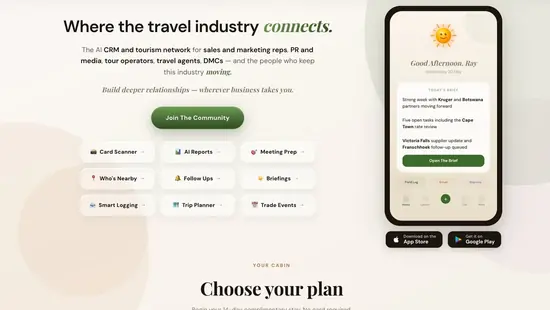
- The lock screen. A timely push notification — "two suites freed for 20 July, trade rate held until Friday" — lands where agents look, at the moment it matters. It respects their time because it is short and actionable.
- Trusted trade press and peers. Agents believe other agents, and they believe the publications they already read. An independent mention carries more weight than any amount of your own marketing.
- FAM trips and trade shows. Nothing beats having stood in the property or shared a dinner. Relationships made in person are the ones that convert for years.
- Tools that make their job easier. A clean partner portal with rates, availability and downloadable resources earns attention because it saves them work.
The channels that still work — and how
- Push, for timeliness. Availability, rate changes, time-limited offers, FAM invitations. Short, occasional, worth interrupting for. (More on the real numbers here.)
- Email, but earned and segmented. Email still works for considered content — a destination update, a new product, a seasonal brief — when it is sent to a warm, segmented list rather than sprayed at everyone. The split between the two channels is worth understanding: newsletters vs push.
- Trade shows and events, to build the relationship the digital channels then maintain.
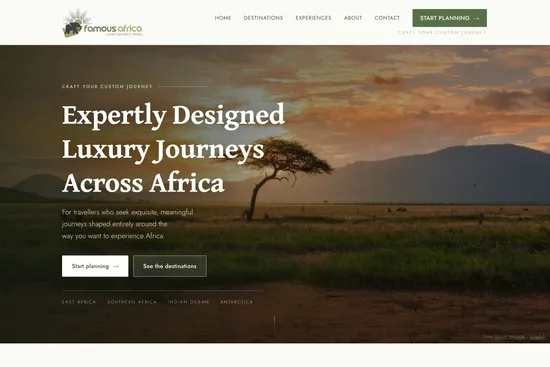
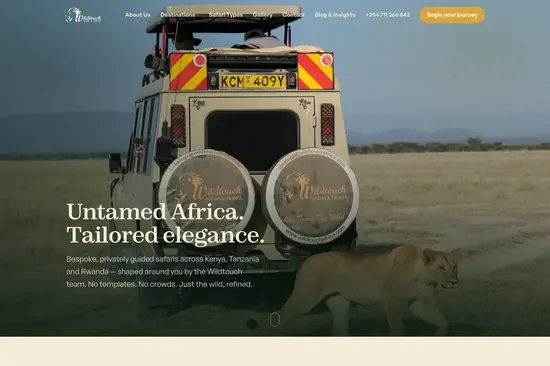
- A trade-credible website, because the first thing an agent does after meeting you is look you up. If your site does not read like you understand their world, the momentum is lost.
What has stopped working
- Spray-and-pray email. Unsegmented blasts train agents to ignore you.
- Marketing that talks about you, not them. Agents care what your product does for their client and their commission, not your brand story.
- Making them dig. If rates, availability and contacts are hard to find, a busier supplier wins the booking.
The throughline
Be useful, be timely, and respect the agent's time. Reach them where they already look, with something that makes their day easier — then keep the channel clean enough that they keep paying attention. That is the whole game, and it has not really changed; the tools just have.
If you want the technology behind it — push, portals, a site that speaks trade — that is what we build.
Common questions
How do you reach travel agents in 2026?
By being where agents already look, with something useful and timely. The channels that still work are push notifications for short time-sensitive alerts (availability, rate changes, FAM invitations), segmented email for considered content, partner portals that make the agent’s job easier, and FAM trips and trade shows for relationships. Spray-and-pray email and self-focused marketing have stopped working — agents reward suppliers who save them time, not those who add to the noise.
Is email still effective for reaching travel agents?
Yes, for the right job. Email works for considered content — destination updates, new product, seasonal briefs — when sent to a warm, segmented list rather than blasted at everyone. It is less effective for time-sensitive alerts, where push notifications reach agents on the lock screen at the moment it matters. Most successful trade suppliers use both for what each does well.
Do trade shows still work for reaching travel agents?
Yes. Nothing replaces having stood in the property or shared a dinner — relationships made in person convert for years. The most effective approach is to build the relationship in person at FAM trips and trade shows, then maintain it through the digital channels (push, portals, segmented email) the rest of the year.
What stops travel-trade marketing from working?
Three things: unsegmented spray-and-pray email that trains agents to ignore you; marketing that talks about your brand rather than what your product does for the agent’s client and commission; and making rates, availability and contacts hard to find. A busier, more sceptical trade rewards suppliers who are useful, timely and easy to do business with.