Key takeaways
You want both: OTAs bring reach and discovery; your own website wins the direct, commission-free bookings that protect your margin.
OTAs typically take 15–25% commission per booking and own the guest relationship — a direct website keeps both.
Use OTAs for visibility, and a strong direct website (plus email and push) to convert repeat and direct guests.
A good hotel website captures the guest's details at booking, so you can reach them directly next time — without paying commission again.
Independent hotels that try to live entirely on their own website typically don't get the volume. Independent hotels that live entirely on the OTAs hand 15–25% of their revenue to a platform that owns their guest relationship and outranks them in Google for their own name.
The realistic question isn't OTA or direct — it's what mix, and how do you build the direct side properly so it actually competes?
OTAs aren't villains. They bring genuine value: travellers searching by destination on a single trusted platform, instant comparability across properties, multi-currency and multi-language out of the box, brand trust for first-time visitors who don't yet know your hotel exists. For a new property with no SEO history and no email database, OTAs are how you fill rooms while the rest catches up.
The mistake isn't using OTAs. The mistake is letting them be the only channel.
A direct-booking website that earns its keep does five things at once:
1. Ranks for your hotel's own name. When someone Googles "Saruni Mara" or "The Pig at Bridge Place," your site should be position #1. If Booking.com is, you're paying commission on guests who already wanted you specifically.
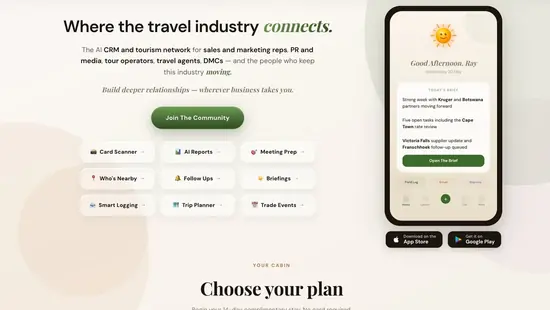
2. Captures the guest email at the booking step. That email then drives repeat business through email and push notifications — reaching guests directly on the lock screen, far ahead of email — without ever paying commission again.
3. Tells the story. Why this property exists, what makes the rooms different, the chef's history, the spa philosophy, the conservation work. OTAs strip all of this; your site is where it lives.
4. Loads fast on every device, including a phone in poor signal. A 4-second load loses 25%+ of mobile visitors. A 1.5-second load doesn't.
5. Integrates with the booking engine you already use. Site availability, rates and reservations sync back to your PMS or channel manager (Cloudbeds, SiteMinder, Mews, etc.) so you're not double-managing inventory.
Direct booking matters most when: your average rate is high (commission on a £450 lodge night hurts more than on a £90 hotel night); your repeat-guest rate is meaningful (every repeat guest who books direct instead of via OTA is pure savings); your story is genuinely distinctive (boutique, lodge, villa, design hotel — properties where the OTA template undersells what you offer); and you're competing with the OTA for your own brand name in Google.
Most properties Charnette Labs works with — independent hotels, safari lodges, tented camps, villas — tick all four boxes.
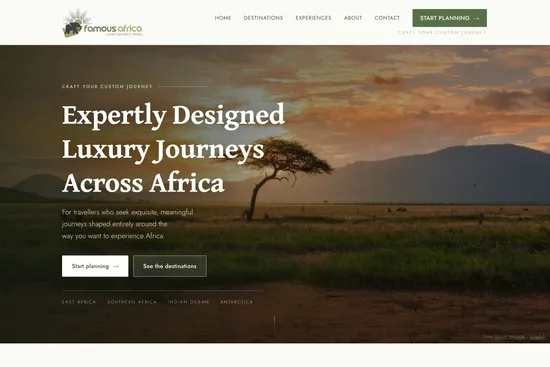
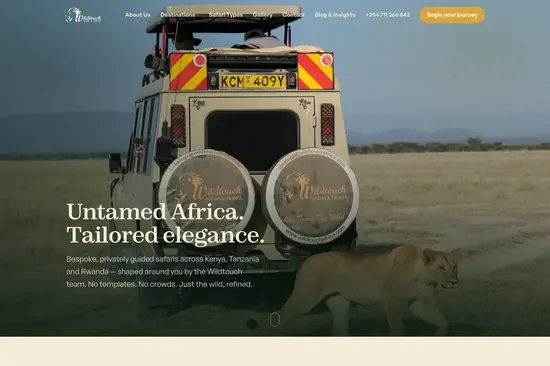
Charnette Labs builds hotel websites that are designed from the ground up to win the direct-booking battle. Fast edge-hosted load times, schema markup so your hotel ranks above Booking.com for your own name, integration with the major booking engines and channel managers, and push notifications built in for the post-stay re-engagement loop.
We don't compete with the OTAs — they bring volume we appreciate. We just make sure your hotel keeps as much of its guest relationship, and as much of its margin, as is reasonably possible.